
Maritime Partners at IMX 2025

At Campus France at NAFSA, the client wanted a bold space that attracted busy education professionals and sparked meaningful conversations. We listened as they asked for a modern, welcoming booth that highlighted French study opportunities and encouraged longer visits and meetings. Additionally, they needed clear branding from far away, simple visitor flow, and digital content that showcased real student experiences and stories.


Therefore, we designed a tall branded wall with vibrant colors and clear messaging so Campus France at NAFSA stood out immediately. We added a large dynamic screen in the center, which played engaging student videos and invited visitors to learn more.
Moreover, we used a bright hanging sign to pull people in from the aisle, then guided them to open seating and friendly touchpoints. We also balanced bar‑height tables and casual stools, so staff could host quick chats, longer meetings, and group conversations with ease.

Synergy Design Group used a tall back wall, bold red and blue colors, and clear branding to help the booth stand out.
The booth used warm lighting, open seating with bar‑height stools, and simple wayfinding so visitors felt invited to enter and stay.
The rich blue base and bright red accents matched Campus France branding and created a strong, memorable visual identity from every angle.
The layout placed the reception counter front and center, with meeting areas on the sides, which kept traffic flowing smoothly.
Yes, the modular graphics, furniture, and color system can adapt to other shows while keeping a consistent Campus France look.

Artificial intelligence (AI) is naturally transforming our view of event management. AI can automate routine tasks and analyze attendee behavior to help event planners work smarter while delivering better experiences. Here is how AI can improve operations, increase engagement, and enhance decision-making.
Numerous details are involved when planning an event, including choosing the location and setting the schedule. Through the use of AI-driven tools, we can examine previous datasets to generate ideal date recommendations while also predicting event attendance and suggesting venue arrangements. By performing these tasks automatically, we expand our available time and minimize mistakes to create a problem-free event planning process.
Many organizations find that managing registrations, processing payments, and handling inquiries are time-consuming. AI chatbots and virtual assistants streamline these tasks by providing instant responses, handling bookings, and managing attendee communications. This allows you to focus on strategy and execution rather than routine administration.


AI enhances attendee engagement by personalizing experiences, streamlining event planning, and automating tasks. As AI technology evolves, its role in events continues to grow. By integrating AI-powered tools, we create events that are not only more efficient but also more engaging for attendees, making each interaction more tailored and impactful.
AI improves marketing by first understanding the audience and then identifying which approaches bring the most optimal returns. AI-enabled tools ensure the development of focused marketing initiatives and the placement of advertisements, as well as content creation. These insights help draw in the appropriate audience and achieve the highest event reach.
AI-driven translation services remove language barriers, and smart navigation helps people find their way around. These technologies help to create a smooth, efficient event experience, which can help to keep attendees both engaged and stress-free.

AI processes large volumes of data in real time to give insights into attendee behavior, engagement levels, and session popularity. We can modify our strategies in real time and make data-driven decisions to enhance future events through this information.
Using AI, we can analyze post-event feedback, social media interactions, and attendee surveys to measure event success. Through these insights, we can better refine our strategies for the future, enhance our event formats, and deliver better experiences for attendees. Through AI-generated data, we can continuously improve our event management approach.

AI has the ability to improve event management by simplifying the planning process, implementing task automation, and providing individualized experiences. The role of AI in events is only bound to increase with the advancement of AI technology. At Synergy Design Group, we generate smarter, more efficient, and more engaging events for attendees and exhibitors through the adoption of AI-powered tools. Give us a call to see how we can help you achieve more at your next event!

Sustainability in trade shows is no longer just a trend; it is a necessity. At Synergy Design Group, we help exhibitors implement green booth design strategies that are not only good for the environment but also beneficial for your brand. In this article, we will explore how sustainability can be meaningfully incorporated into trade show booths, providing real-world examples and actionable insights.
Insight: The lifecycle of your booth matters. Too often, exhibitors rely on single-use booth structures, which contribute significantly to trade show waste.
Examples: Consider modular booths designed for reusability. For instance, a modular aluminum frame system with interchangeable graphics allows for easy updates while maintaining the booth’s core structure. Companies like an innovative group that has reported saving up to 30% annually by investing in modular systems that adapt to different show requirements. These solutions are not only cost-efficient but also reduce landfill contributions.

Insight: Reducing transportation’s carbon footprint starts with smarter booth design.
Examples: Source materials locally to minimize shipping distances. For example, an exhibition solution house designed their booth with tension fabric sourced within 50 miles of their warehouse, reducing emissions and shipping costs. Additionally, prioritize lightweight materials like honeycomb cardboard panels or tension fabrics. Such materials can cut shipping weight by up to 50%, as seen in a recent trade show.
Insight: Trade show flooring often becomes waste after an event. Opt for sustainable or reusable alternatives.
Examples: Consider modular bamboo flooring tiles, which are durable, visually appealing, and reusable. Another option is renting interlocking recycled rubber tiles—used by a global ventures for over 10 events. Not only do these options reduce waste, but they also align with sustainability certifications such as LEED.
Insight: Replace traditional brochures with digital content to minimize paper waste and maximize attendee interaction.
Examples: Implement interactive touchscreens or QR codes to share product information, as demonstrated by JKL Industries. At a recent show, they reduced printing costs by 40% while increasing engagement rates through an AR-powered digital catalog. Bonus tip: create a downloadable resource library, giving attendees instant access to information while showcasing your tech-savvy approach.


Insight: Booths can consume significant energy. Adopt technologies that reduce usage without compromising impact.
Examples: Use LED lighting—which consumes 75% less energy than traditional options—to create dynamic, visually engaging spaces. For example, trade show display companies introduced solar-powered charging stations at booths, which drew foot traffic while reducing reliance on the venue’s power grid. Energy-efficient AV setups can further amplify your sustainability efforts.
Insight: Swag doesn’t have to contribute to waste.
Examples: Swap disposable giveaways for items with lasting value. An innovative solutions company distributed seed paper notebooks that attendees could plant after the show, creating a memorable, eco-conscious connection. Another effective idea: experiential giveaways. For instance, offering attendees the opportunity to “donate” a tree on their behalf not only reinforces sustainability but also fosters goodwill and brand loyalty.
Insight: Make sustainability interactive to enhance engagement.
Examples: Set up water refill stations and encourage attendees to bring reusable bottles. At a recent event, STU Exhibits introduced a “Sustainability Challenge” where participants earned points for eco-friendly actions (e.g., recycling, attending green workshops) to redeem for sustainable rewards. This gamification element boosted booth traffic by 25%.

Insight: Work with suppliers who share your sustainability values.
Examples: Collaborate with green-certified vendors for printing and materials. A Global Solutions brand partnered with a printing service that uses soy-based inks and recycled paper, reducing their booth’s carbon footprint by 20%. Logistics providers with carbon offset programs can further enhance your green efforts.
Insight: Transparency builds trust and sets your brand apart.
Examples: Use carbon calculators to measure your booth’s footprint and share results with attendees. YZA Corporation’s “Sustainability Report”—featuring their event emissions, waste reductions, and green initiatives—received widespread positive feedback and was featured in industry publications. A live dashboard at your booth showcasing real-time savings can also captivate attendees.

Sustainability in trade shows goes beyond material selection. It’s about rethinking processes, adopting innovative solutions, and engaging attendees in meaningful ways. At Synergy Design Group, we’re committed to helping exhibitors create greener trade show experiences that resonate with audiences and align with brand values. Let’s make every show a step toward a more sustainable future—together!

Trade shows are a great way for companies to present their products and meet their customers. However, buying a booth can be costly and inflexible. Renting trade show booths is a more economical way that enables exhibitors to tailor their display for various events. Let’s find out the major advantages of renting and why it can be a good financial decision for both small and large businesses.
Buying a trade show booth is an expensive purchase. Additionally, there are the costs of storage and maintenance. Renting trade show booths does not include these costs and will help you save money and optimize your budget. This option allows the companies to allocate their resources instead to marketing, traveling and interaction.

When you rent a trade show booth, you can easily alter the size, layout and design of the booth for different events. This is very important for companies that exhibit at different shows and require different booth spaces. Rental providers offer fully branded displays, modular setups, and interactive elements. The use of rental solutions ensures the company’s branding is consistent while also allowing for different booth configurations that can help improve the presence on the trade show floor.
Trade show booths are becoming more interactive. Touchscreens, augmented reality (AR), and virtual reality (VR) create immersive experiences for attendees. Renting trade show booths equipped with the latest tech helps make sure exhibitors stay competitive without the need for constant hardware upgrades.
Startups and small businesses often begin with a small booth. As they grow, their trade show needs will likely change. When renting a booth, it is easy to go up or down in size depending on the event to ensure that the booth is always appropriate with no long-term commitments.


Compared to buying a booth, renting is logistically simpler. Booth providers also handle the shipping, installation, and dismantle, so the exhibitors do not have to worry about the construction of the booth and can focus on the engagement instead. This service is less stressful and produces a very professional presentation every time.
The future of trade shows is all about innovation and efficiency. Renting trade show booths enables businesses to be more agile, save money and optimize their budget, and come up with exciting experiences for the attendees. Being industry leaders, we assist exhibitors in making the right decisions that will greatly enhance their presence at every event. Do you need help with your next booth? Let’s talk.

The trade show industry is evolving rapidly, influenced by technological advancements, changing attendee expectations, and global business trends. As we look ahead, several key developments are anticipated to shape trade shows in 2025. Here are five notable trends, supported by industry insights:

By 2025, it’s anticipated that a significant number of trade shows will incorporate hybrid elements to enhance accessibility and audience reach. The global exhibition industry is projected to grow at a rate of 30% annually, with expectations to surpass pre-pandemic levels by 2026 (IAEE).
It’s important for companies to consider hybrid formats to engage both in-person and remote audiences. Offering digital access can improve attendance and provide cost-effective participation for international exhibitors.

The integration of AI-driven matchmaking tools is projected to increase attendee engagement significantly in the coming years. The experiential marketing industry continues to grow, with event professionals adapting to incorporate advanced technologies.
Investing in AI-powered networking can help exhibitors and attendees make the most of their time by facilitating meaningful connections. Recommended tools include smart scheduling assistants and AI chatbots for instant communication.
By 2025, a substantial number of trade show exhibitors are expected to implement sustainable booth designs to align with industry standards. Businesses are embracing new designs and materials that prioritize personalization, sustainability, versatility, creativity, and functionality.
Sustainability is increasingly important, not just for environmental reasons but also as a factor in attendee decision-making. Companies that adopt reusable materials and eco-friendly practices may gain preferential booth placements or qualify for sustainability-driven incentives.
Interactive experiences are expected to increase booth traffic significantly, making them a key differentiator in 2025. The experiential marketing industry continues to grow, with event professionals adapting to incorporate advanced technologies (Bizbash).
It’s recommended that brands explore experiential marketing techniques like AR/VR demonstrations and gamification to engage visitors. Some events may offer discounted booth fees or premium placements for companies that adopt cutting-edge engagement strategies.

Industry leaders anticipate a rise in trade shows adopting shorter formats to maximize efficiency. More regional and niche events are gaining popularity, offering deeper engagement within specific industries.
Given the busy schedules of professionals, organizers may offer logistical advantages such as pre-scheduled meetings and streamlined exhibitor lists to enhance the attendee experience. Companies should prepare for this shift by optimizing booth presence for high-impact, time-efficient interactions.
Trade shows in 2025 are likely to be defined by data-driven strategies, innovative technology, and evolving attendee expectations. It’s important to stay ahead of these trends to maximize your return on investment and create valuable experiences.
Looking to refine your trade show approach? Let’s explore opportunities to help you stand out in this evolving landscape.

For the water and wastewater industries, there are exciting opportunities for exhibitors as we look ahead to WWETT 2025, the Water & Wastewater Equipment, Treatment & Transport Show. This event will be a game changer with a stronger emphasis on sustainability, advanced technologies and more dynamic engagement strategies. Here’s how you can maximize your impact at WWETT 2025.

The growing focus toward sustainability in trade shows is undeniable, and WWETT 2025 is no exception. Eco conscious brands will continue to lead the way in reducing waste and implementing green practices. As an exhibitor, it’s important to make sure your booth reflects your company’s sustainability commitment through the use of ecofriendly booth design and materials, and even giveaways. By aligning your booth with eco conscious values you will not only be meeting industry standards, but also be considered a forward thinking brand.

In 2025, technology will once again play a bigger role in the trade show experience. From interactive touch screens to AI powered networking tools, the possibilities are endless. When integrated into your booth, these advanced technologies can enhance attendee engagement, offer real time data, and streamline networking efforts.
Gone are the days of static booths with simple brochures. Using interactive demos, live product testing, and hands-on experiences, you can create memorable touch points with your audience. This approach does not just show your product, it lets the attendee use it.
Personalization is the future of trade shows. Attendees will expect more tailored experiences that address their particular needs. This includes personalized booth interactions, custom content, and targeted marketing that speaks directly to the individual. Examples include interactive product demos that adjust recommendations based on attendee preferences, custom welcome messages using QR code check-ins, and AI-powered chatbots that provide real-time answers. Tailored content, such as industry-specific brochures or on-demand presentations, enhances engagement. Personalized giveaways, AR experiences, and gamification with customized rewards make interactions more memorable. VIP access and real-time follow-ups further deepen connections. Adopting a personalized approach allows you to communicate with decision-makers on a deeper level.
Trade shows are no longer just about pushing products; they’re about creating valuable experiences. This shift is about engagement-focused strategies that allow attendees to interact with your brand. This includes gamified elements, live polls, and challenges that keep attendees engaged with your booth for longer periods
Your booth layout is a key factor in driving traffic and creating a lasting impression. At WWETT 2025, exhibitors will focus on designs that create fluid, intuitive flows. A smart booth layout makes it easy for attendees to navigate, interact with products, and approach staff. To guide the visitors through the experience seamlessly, it is important to create clear zones for interaction, presentation, and demonstration.
One of the biggest shifts in trade shows will be the use of real time analytics to measure booth performance. Through attendee tracking and data analysis, exhibitors will be able to see which elements of their booth are attracting attention and adjust accordingly. This data driven approach helps fine tune strategies and maximize ROI.
As WWETT 2025 approaches, it’s clear that the future of trade shows lies in creating interactive, personalized, and tech-driven experiences. By embracing these trends, exhibitors can stand out and connect with key decision-makers in the water and wastewater industry. At Synergy Design Group, we’re ready to help you bring your vision to life with innovative, sustainable, and interactive booth designs. Get ready to make a splash at WWETT 2025!

As we start 2025, trade shows are evolving. Attendee expectations are shifting, business opportunities are expanding, and event planning is becoming more dynamic. In this blog, we’ll explore how these changes will impact trade shows and what you can do to stay ahead of the curve.
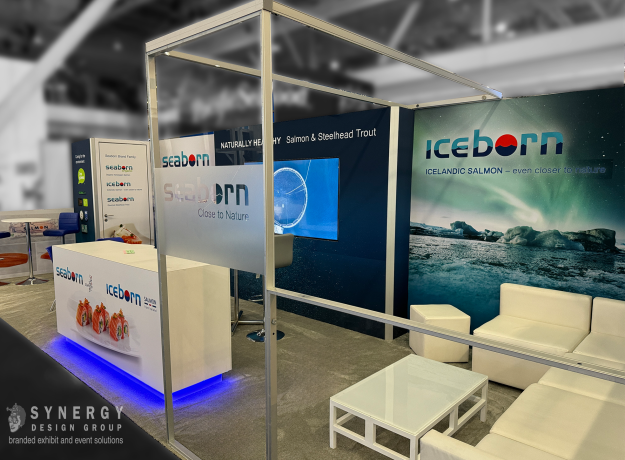
Attendees are looking for more than just product demos. They want meaningful, personalized experiences. Instead of browsing booths aimlessly, visitors now expect tailored interactions. For example, AI-driven recommendations at events are becoming more common, helping attendees navigate exhibits based on their interests.

Trade shows are no longer just about showcasing products. They are about building relationships. Attendees want to connect with brands in meaningful ways. We’re seeing more lounges, networking events, and informal spaces designed to facilitate one-on-one interactions and collaboration.
Hybrid events are the future. While in-person attendance remains crucial, the option to attend remotely will continue to grow. Hybrid formats provide flexibility, enabling brands to reach global audiences and attendees to engage from anywhere. This trend makes it easier for smaller businesses to participate without the high costs of travel.

In 2025, data is king. From tracking booth traffic to attendee engagement, data helps shape decisions. Tools like heat maps, attendance trackers, and engagement analytics allow exhibitors to optimize their approach in real-time. This data-driven mindset improves event outcomes and ROI.
Sustainability is no longer optional; it’s essential. Trade show organizers and exhibitors alike are expected to reduce their environmental footprint, and some events may even require ESG commitments. Using recyclable materials, minimizing waste, and opting for digital brochures are just a few ways to align with sustainable practices. This shift not only affects the environment, but also appeals to eco-conscious attendees.


Picture a technology brand using VR headsets to transport visitors into a simulated workspace where they can test drive their latest collaboration software in a fully interactive environment. Or a food company offering AR-enhanced tasting stations where a digital overlay shares ingredient origins, sustainability facts, and chef-curated recipes as attendees sample the products.
Even more, imagine a private AI-driven demo room where a sales representative personalizes the presentation based on attendee preferences, adjusting product recommendations in real time based on verbal feedback. These activations don’t just spark curiosity—they create memorable touchpoints that deepen emotional connections, drive higher lead conversions, and ensure a lasting brand impression long after the event.
While large-scale trade shows will always have their place, smaller, niche events are gaining popularity. These smaller gatherings allow for deeper, more meaningful conversations between exhibitors and attendees. As a result, exhibitors will have the chance to connect with more qualified leads, while attendees can focus on specific interests.
Virtual communities will continue to thrive in 2025. Many trade shows are expanding their digital offerings, creating platforms for year-round engagement. Attendees can interact with exhibitors, access content, and network long after the event is over. This ongoing engagement increases the value of attending a trade show, making it an experience that doesn’t end when the event does.
Trade shows in 2025 will be defined by innovation, sustainability, and enhanced attendee experiences. By staying informed about these changes and adapting to new technologies and strategies, you can ensure your trade show presence remains strong and relevant.
At Synergy Design Group, we’re excited about the future of trade shows and the opportunities they bring. We’re here to help you navigate these shifts and create unforgettable, impactful experiences that drive real results. Let’s make the most of what’s to come in 2025!

Choosing the right trade show is critical for maximizing your brand exposure and connecting with your target audience. With so many options, it can feel overwhelming. Here’s how to select the ideal trade show to align with your business goals, with practical advice and examples to guide your decision-making process.

Start by identifying your goals. Are you focused on lead generation, brand exposure, networking, or launching a new product? Clear objectives will help you prioritize trade shows that align with your strategy.
Pro Tip: If your goal is lead generation, consider trade shows with a proven track record of high attendee engagement, such as CES for tech brands or Expo East for natural products.

Research where your audience spends time. Does your target market attend niche industry events, regional expos, or international trade shows? Understanding their preferences ensures your investment reaches the right people. For Example: A startup targeting sustainable fashion buyers might benefit from attending niche shows like the Sustainable Fashion Forum rather than larger, more generalized events.
Select trade shows that cater to your industry. For example, if you’re in tech, consider events like CES. If you’re in healthcare, HIMSS might be a better fit. Attend shows where your competitors and peers are likely to exhibit.

Bigger isn’t always better. Large shows may offer significant exposure but come with higher costs and stiffer competition. Regional events might provide a more focused audience and lower expenses. Location can also impact accessibility for your team and attendees.For Example: A regional manufacturing expo might provide a more intimate setting to connect with decision-makers compared to a sprawling global event like IMTS.
Look into the trade show’s track record. Does it attract reputable exhibitors and quality attendees? Review past attendance data, testimonials, and exhibitor feedback. A well-established event typically guarantees better ROI.Use platforms like LinkedIn to connect with past attendees and exhibitors to gather honest feedback.

Trade shows can be expensive. Factor in booth space, design, travel, and promotional materials. Compare costs against the potential return on investment to ensure the event fits your budget.
Pro Tip: Stretch your budget by reusing modular booth components or opting for digital giveaways instead of printed materials.
While aesthetics are important, durability is key. Select high-quality materials and finishes that can withstand daily use while maintaining their appeal. Low-maintenance designs ensure your investment continues to deliver value over time without excessive upkeep.
Does the show offer additional opportunities like workshops, panels, or networking events? These activities can increase your visibility and help you connect with industry leaders, partners, and potential clients. For example: Participating in a panel discussion or sponsoring a breakout session can position your brand as an industry thought leader.

Attend as a visitor before committing as an exhibitor. This allows you to evaluate the event’s vibe, audience, and overall value. Use this opportunity to gather insights and make connections.
After the trade show, measure your success. Track metrics like leads generated, social media engagement, and overall brand exposure. Use these insights to refine your approach for future events. This is a cornerstone of our success here at Synergy Design Group.We like to create a post-show report that highlights what worked, what didn’t, and actionable steps for improvement.
Selecting the right trade show can transform your marketing efforts. By focusing on your objectives, audience, and budget, you can make an informed decision that boosts your brand’s visibility and impact. At Synergy Design Group, we’re here to help you stand out and make the most of your trade show experience.
Contact us today to start planning a booth that commands attention and delivers results.

At Synergy Design Group, we understand that expert support is essential for event success. Event Management Services (EMS) are designed to streamline event logistics, saving you time and resources while ensuring a smooth, professional experience. In this blog, we break down how EMS can enhance your next trade show or corporate event.

Event Management Services provide end-to-end support—handling everything from logistics and setup to teardown. This allows you to focus on what matters most: engaging your audience. Our EMS manages the operational details so you can focus on big-picture event goals.

Event planning involves complex logistics, and EMS ensures everything runs smoothly. We oversee vendor coordination, booth setup, and all logistics to reduce stress and avoid last-minute disruptions. By handling these details, EMS empowers you to engage meaningfully with your audience while enhancing your event’s professionalism.
A key EMS benefit is cost-effectiveness. We handle vendor negotiations and supply sourcing, ensuring you avoid last-minute fees and inflated prices. For example, our team negotiates with trusted suppliers to secure competitive rates, stretching your event budget without compromising quality. Whether you’re working with a limited budget or aiming to maximize ROI, EMS makes your dollars go further.

Time is critical during event planning, and EMS frees up your availability. From managing timelines to handling last-minute adjustments, we take care of the details so you can focus on presentations and networking. By outsourcing logistics, EMS helps you stay on track and deliver a seamless experience.
A well-executed booth can make all the difference at a trade show. Our EMS ensures your booth stays polished and ready throughout the event, from setup to teardown. We handle booth maintenance, ensuring your presentation is always professional and aligns with your brand message. A clean, consistent booth reflects your commitment to quality and professionalism.

Transparency is key to a successful event. Clients receive timely updates, schedules, and a dedicated point of contact for adjustments or questions. Our team stays in close communication to ensure you’re informed and confident every step of the way. We handle stuff behind-the-scenes so you can focus on networking and growing your business.
Throughout the event, EMS provides daily booth upkeep, ensuring your booth remains clean, organized, and welcoming. This attention to detail reinforces a positive brand image and allows you to focus on what’s important—interacting with attendees and building relationships.
Synergy Design Group leverages years of industry experience and a vast network of suppliers to customize EMS for each client’s unique needs. Our proven track record of seamless event execution and client satisfaction makes us a trusted partner for event success.
If you’re looking to elevate your event experience, Synergy Design Group’s EMS can help. We manage the details so you can focus on creating meaningful connections and achieving your event goals. Contact us for a free consultation and let’s bring your vision to life.

At Synergy Design Group, our goal is to simplify the event planning process while maximizing impact. Our Event Management Services offer cost-effective solutions for booth management and logistical support, ensuring your event is professionally executed from start to finish. Let us help you create an experience that stands out—reach out today to learn how we can make your next event a success.
Born deep in the belly of New Orleans, we have a knack for creativity, fun, and resilience, just like our city.
A mutually advantageous conjunction of distinct elements is in play when there is synergy. We create synergy using your marketing tools within your exhibiting strategy so the result exudes professionalism and credibility.

Disclaimer: All company logos displayed are the property of their respective owners and are shown for reference only. Trade show booth designs, layouts, and creative concepts featured on this site are the original work of Synergy Design Group.


© Synergy Design Group | Logos shown are property of said company | Website Design